Plexiglass
Plexiglass, also known as acrylic, is a lightweight, crystal-clear alternative to traditional glass. It offers excellent optical clarity, is weather resistant, and is easier to handle than glass, making it a popular choice for both indoor and outdoor applications.
Acrylic is commonly used for storm windows, picture frame glazing, display cases, protective barriers, signage, cabinet doors, shelving, and craft or DIY projects. It is available in a variety of thicknesses and can be cut to custom sizes.
While acrylic is more impact resistant than standard glass, it is also more susceptible to scratching and is not recommended for applications where extreme impact resistance is required.
We can cut plexiglass to your required dimensions and can also provide a variety of thicknesses to suit your project.
Lexan
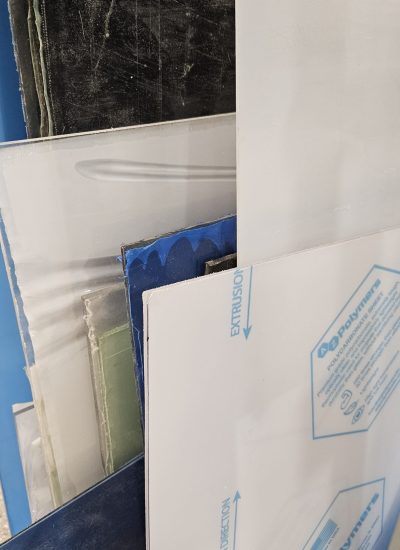
Lexan is a brand of polycarbonate sheet that is exceptionally strong and virtually unbreakable under normal use. It offers up to 250 times the impact resistance of standard glass, making it the ideal choice for applications where durability and safety are priorities.
Polycarbonate is commonly used for machine guards, safety shields, greenhouse panels, protective glazing, recreational vehicle windows, and other high-impact applications. It is lighter than glass and can be cut and fabricated to suit many different projects.
Compared to acrylic (plexiglass), Lexan is much more impact resistant but is generally more prone to surface scratching unless a hard-coated product is used.
We can cut Lexan to your specifications in a variety of thicknesses. If you’re unsure whether acrylic or polycarbonate is the best choice for your project, our team will be happy to help you choose the right material.
Plexiglass vs. Lexan
Trade Names |
Acrylic, PMMA |
Polycarbonate |
| Brand Names | Crylux, Hesalite, Plexiglas, Acrylite, Lucite, and Perspex | Lexan, Makrolon |
| Material | Poly(methyl methacrylate); synthetic polymer derived from methyl methacrylate. It is a transparent thermoplastic, used as an engineering plastic | Polycarbonate resin thermoplastic; a solid substance that can deform in extreme heat (typically 147 degrees Celsius, or 297 degrees Fahrenheit) |
| Production | PMMA resin is melted down, but the process can vary. Either poured between two glass plates and then cooled, extruded through a mold to form sheets | The polycarbonate resin starts as small pellets; melted and cooled in flat molds |
| Impact Resistance | 17 times stronger than glass in impact resistance | 250 times stronger than glass in impact resistance; bends before breaking |
| Cutting | Can be cut using conventional cutting equipment; prone to chipping | Can be cut using conventional cutting equipment, slightly harder to cut through and will offer some initial resistance |
| Drilling | Prone to cracking if not drilled carefully and with the right bits, especially at the edges | Won’t crack when drilling |
| Bending | Requires heat before being bent; will soften gradually as the temperature is increased above 210°F (99°C). At temperatures from 340°F to 380°F (171°C to 193°C), it becomes soft and pliable and can be formed into almost any shape | Hot bending of Lexan polycarbonate can be done in several ways; however, cold bending of polycarbonate is much easier and is the more commonly chosen option |
| Chemical Resistances | Resistant to most chemicals, including many acids and bases unless they’re heavily concentrated. Can withstand detergents, oils, and fats. Do not use alcohol or ammonia to clean | Resistant to many bases and acids at non-concentrated levels. Good resistance to oils, greases, and fats. Resistant to ethanol, isopropanol, and other forms of alcohol |
| Temperature Resistances | Softening point at around 210F or higher. Reaches its melting point when temperatures reach or exceed 320F. | Slightly more temperature-resistant. Reaches its softening point above 300F. Reaches its melting point as temperatures exceed 400F. |
| UV Resistances | Very strong resilience to UV rays | Doesn’t stand up to UV rays as well; can yellow slightly after being exposed for a long period of time. |
| Clarity | Best; Glass-like | Good; prone to scratching |
Cutting and Drilling
Category |
Plexiglass (Acrylic) |
Lexan (Polycarbonate) |
| Thin Straight Cuts | 3 mm or less: Scoring knife / plexiglass cutter | 2 mm or less: Utility knife |
| Thicker Straight Cuts | 3 mm or greater: Table saw or circular saw with fine-tooth carbide-tipped blade | 3 mm or greater: Table saw or circular saw with carbide-tipped general-purpose blade |
| Curved Cuts | Jigsaw with fine-tooth blade | Jigsaw or bandsaw |
| Table / Circular Saw Blade | Carbide-tipped, fine-tooth blade; 60–80 teeth | Carbide-tipped, general-purpose blade; 40–60 teeth |
| Jigsaw Blade | Fine-tooth, bi-metal or carbide blade; 20–30 TPI | Fine-tooth, bi-metal or high-carbon steel blade; 18–24 TPI |
| Band Saw Blade | Carbide-tipped, fine-tooth blade; 6–12 TPI | Carbide-tipped, general-purpose blade; 10–14 TPI |
| Cutting | Use clamps to secure the sheet and reduce vibration. Leave the protective film on during cutting. Use a slow, steady feed rate to avoid melting. Do not rush, as overheating can melt the plastic. Do not use a blade with too few teeth, as it can cause chipping. | Use clamps to secure the sheet and reduce vibration. Leave the protective film on during cutting. Use a slow, steady feed rate to avoid melting. Do not rush, as overheating can melt the plastic. |
| Drilling Speed | Variable-speed drill at 500–1000 RPM | Variable-speed drill at 500–1000 RPM |
| Drill Bit | Plastic drill bit or standard twist bit with the tip blunted. Optional step drill for cleaner holes. | Plastic drill bit or standard twist bit with the tip blunted. Optional step drill for cleaner holes. |
| Drilling | Use backing support such as scrap wood. Start with a pilot hole and use light pressure to avoid cracking. Keep holes at least twice the sheet thickness from the edge. Painter’s or masking tape over the drilling spot can reduce chipping and cracking. Avoid metal bits at high speed, as they can cause cracking or melting. | Use backing support such as scrap wood. Start with a pilot hole and use light pressure for clean, accurate holes. Keep holes at least twice the sheet thickness from the edge. Painter’s or masking tape over the drilling spot can reduce surface damage. Avoid metal bits at excessively high speeds to prevent melting. |
| Fastener Holes | Drill holes approximately 1–2 mm larger than the screw to allow for thermal expansion. | Drill holes approximately 1–2 mm larger than the screw to allow for thermal expansion. |
| Washers / Grommets | Use rubber washers or grommets to cushion the sheet. | Use rubber washers or grommets to cushion the sheet. |
| Fasteners | Plastic screws or stainless steel fasteners are recommended for outdoor use. Do not use self-tapping screws directly into the sheet without pre-drilling. Do not overtighten, as this can crack Plexiglass. | Plastic screws or stainless steel fasteners are recommended for outdoor use. Do not use self-tapping screws directly into the sheet without pre-drilling. Avoid overtightening, as it can stress the material. |
| Heat Bending | Use a strip heater or heat gun with a form or mold. Heat slowly and evenly along the bend line. | Use a strip heater or heat gun for sharp bends. Heat slowly and evenly. |
| Bending Support | Use a jig or form to hold the shape until cool. | Use a jig or form to hold the shape until cool. |
| Overheating | Do not overheat. Excessive heat can cause bubbles or scorching. | Do not overheat. Excessive heat can cause bubbling, warping, or discoloration. |
| Cold Bending | Do not cold-bend. Plexiglass is likely to crack. | Can often be cold-bent within the manufacturer’s recommended minimum bend radius. |
| Impact Resistance | Lower impact resistance; more prone to cracking. | Much higher impact resistance and less prone to cracking. |
| Key Difference | Excellent clarity and rigidity, but more brittle. | Tougher and more impact-resistant; more forgiving during fabrication. |
Custom A/C Panels
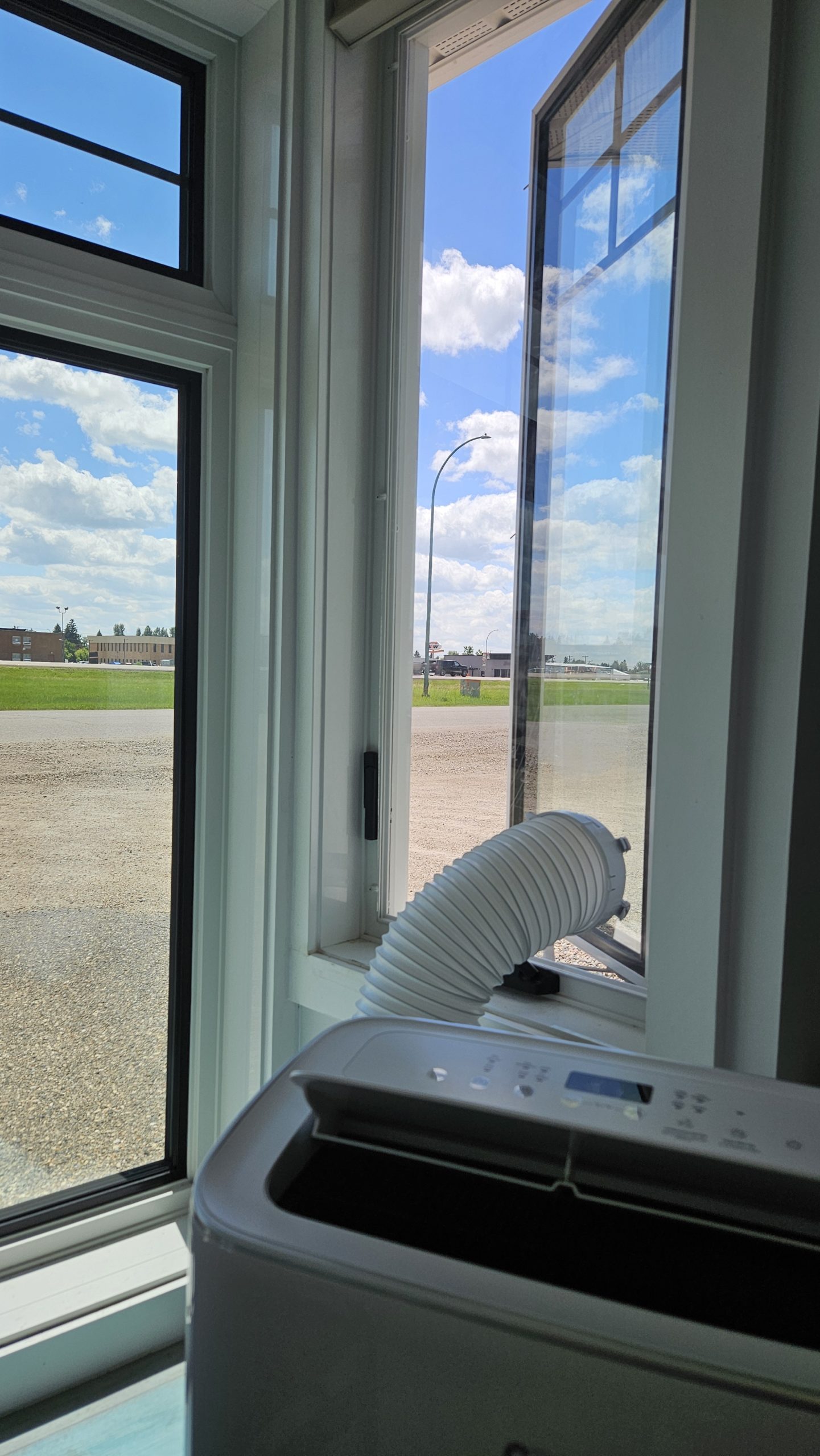
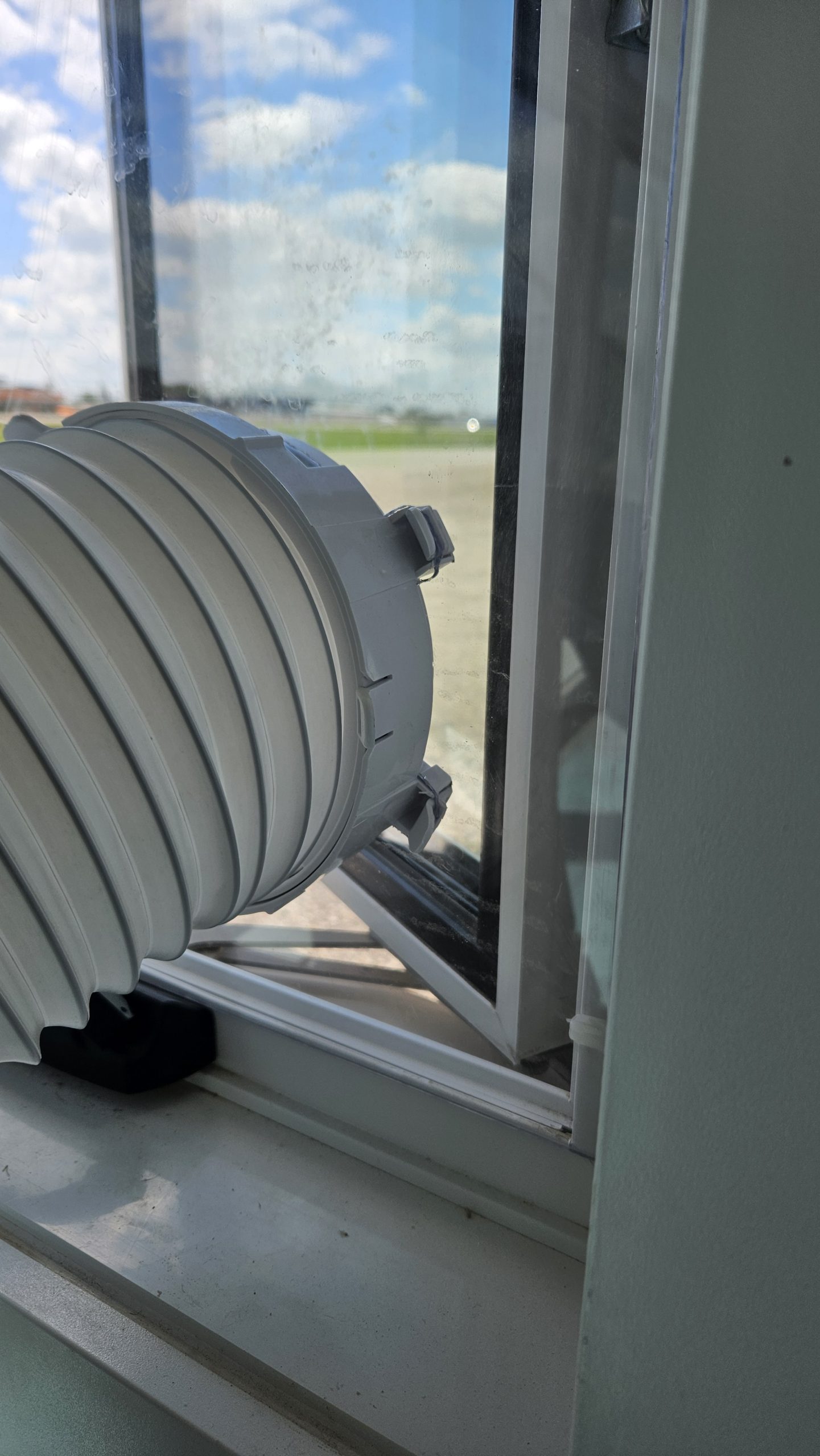
Have a floor A/C unit? No problem! We can cut custom A/C panels from durable Lexan to fit your exhaust hose, allowing you to run your A/C while still maintaining visibility through your window. Best of all, you can still operate your casement or awning window while the A/C panel is installed.
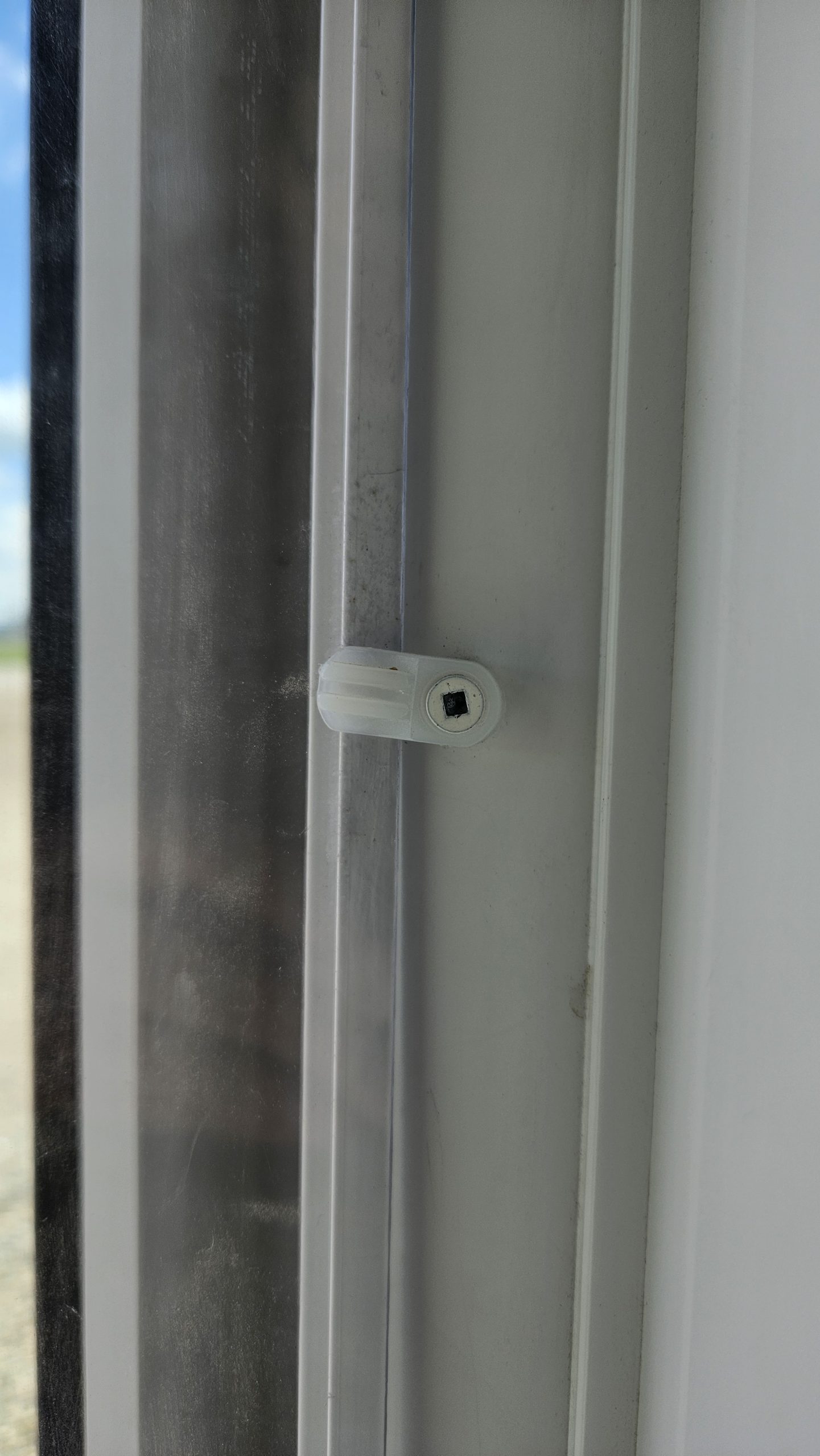
Our panels are designed to fit directly into the face of the window where your screen normally sits, making them ideal for windows with lip-bar style screens secured by screen tabs.
Don’t have that style of screen or existing tabs? No problem. We can supply screen tabs that can be drilled into your window frame to securely hold the panel in place.
All we need to make your custom panel is your old screen, along with either the exhaust hose bracket that the hose clips into or the window panel that came with your A/C unit. This gives us the proper measurements and a template to make your panel for a precise fit.