
Operating Windows
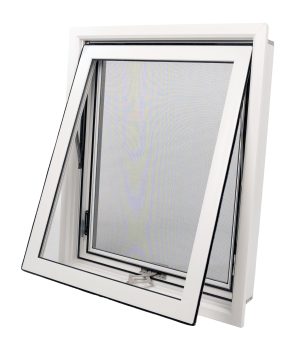
Awning & Casement Windows
To open:
- Disengage the locks by lifting the lock handles upward. Awning windows have locks on both sides; casement windows have a lock on the side.
- Turn the rotary handle to open the sash.
To close:
- Turn the rotary handle until the sash is snug against the frame. Do not overtighten.
- Engage the locking system by pulling the locks downward. This tightens the sash against the weather-stripping to create an airtight seal.
- Once both locks are engaged, slightly loosen the rotary hardware by turning the handle ¼ turn in the opposite direction.
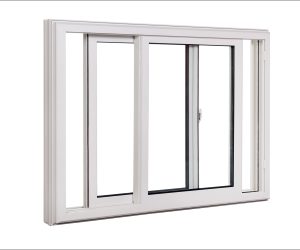
Single Hung & Slider Windows
To open:
- Turn the sash lock to the unlocked position.
- Open the window:
- Single hung: Slide the sash vertically.
- Slider: Slide the sash horizontally.
To tilt or remove the sash:
- Release both latches on either side of the window.
- Pull the sash toward you.
- Slider: The sash can be fully removed.
- Single hung: The sash can be tilted but is not fully removable.
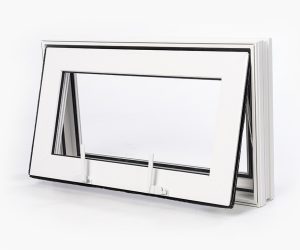
Hopper Windows
To open:
- Rotate the locks to the open position. Lock locations depend on the hopper style:
- Top-hinged hopper: Locks are located along the bottom.
- Side-hinged hopper: Locks are located along the top and bottom.
- Open the sash:
- Top-hinged: Push the sash upward.
- Side-hinged: Pull the sash outward to the side.
Screens: Screens can be accessed from the exterior.
Cleaning and Maintenance
As required
Glass products must be properly cleaned as a part of routine maintenance to maintain visual and aesthetic clarity. Glass products can be permanently damaged if improperly cleaned, negatively affecting the coating’s optical and functional properties. Below are recommended guidelines for cleaning glass.
Do:
- Clean glass when dirt and residue appear
Use mild, fast-drying household spray glass cleaning solutions with ammonia (1.5% or less) and water. - Use a non-abrasive lint-free paper towel or soft cotton cloth without seams, buttons, plastic or metal.
- Pre-moisten glass surface with water or cleaning solution to loosen dried dirt and debris
- Never scrape with a metal blade or tool
- Determine if coated glass surfaces are exposed and exercise special care when cleaning coated glass
- Avoid cleaning tinted and coated glass surfaces in direct sunlight
- Start cleaning at the top of the building and continue to lower levels
- Soak the glass surface with a clean water and soap solution to loosen dirt and debris
- Use a squeegee to remove all of the cleaning solution
- Dry all cleaning solution from window gaskets, sealants and frames
- Clean one small window and check to see if procedures have caused any damage
- Watch for and prevent conditions that can damage the glass
Don’t:
- Use scrapers of any size or type for cleaning glass
- Use abrasive household detergents as cleaning agents
- Attempt to remove debris or dirt from the glass by using a scraper or razor blade
- Allow water or cleaning solution residue to dry on the glass which may cause damage to the surface
- Trap abrasive particles between the cloth and the glass surface while wiping
- Allow dirt and residue to remain on glass for an extended period of time
- Begin cleaning glass without knowing if a coated surface is exposed
- Clean tinted or coated glass in direct sunlight
- Allow water or cleaning residue to remain on the glass or adjacent materials
- Begin cleaning without rinsing excessive dirt and debris
- Allow metal parts of cleaning equipment to contact the glass
- Trap abrasive particles between the cleaning materials and the glass surface
- Allow splashed materials to dry on the glass surface
Semi-annual or as required
Clear any dirt and debris from the sides and bottom track by using a mild soap of diluted detergent to clean all track and sash cavities. Clean tracks will allow the sash to operate smoothly and prevent wear on hinges, locks, rollers, ballast and weather-stripping components. Using a mild soap, periodically clean around the sashes and sill frame with a damp cloth. This will keep the weather-stripping clean and functional.
Annual or as required
Insect screens can be cleaned using a vacuum with a soft brush attachment or by washing with a mild soap and water solution. When removing screens, take care to ensure all locking tabs are in the unlocked position before handling. Screens should be placed on a flat surface for cleaning when possible. Use a low-pressure water spray (such as a garden hose or shower head), apply a mild cleaning solution, allow it to sit briefly, and then rinse thoroughly with clean water. As a best practice, it is recommended to remove screens during colder months to improve air circulation at the glass surface and help reduce the risk of interior condensation and potential freezing on cold glass.
Clean annually or as required
Regular cleaning and maintenance help keep hardware operating smoothly and extend its service life. Dirt, dust, debris, and harsh environmental conditions can affect performance and accelerate wear or corrosion, especially in humid and industrial areas.
Inspect hardware at least once a year, or more often as needed. Remove dirt and buildup from all hardware, paying particular attention to window hinge slides and patio door roller tracks.
Whenever possible, rinse hardware with clean water. For stubborn dirt, use a mild dish soap and water solution. Rinse thoroughly and allow all components to dry completely before applying lubricant.
Never use the following cleaners on window or door hardware:
- Vinegar-based cleaners
- Citrus-based cleaners
- Chlorine-based cleaners
- Industrial-strength cleaners
- Abrasive cleaners
Important: Keep glass cleaners, brick cleaners, siding washes, and similar products away from hardware if they contain any of the ingredients listed above. These products can damage protective coatings and finishes.
PVD (Physical Vapor Deposition) finishes are durable, corrosion-resistant coatings designed to withstand fading, discoloration, UV exposure, humidity, and other environmental conditions.
To maintain PVD-finished hardware:
- Clean every two months with a soft, non-abrasive cloth and mild soap and water.
- Do not use abrasive cleaners, pads, or polishing compounds.
- Rinse thoroughly, then dry with a soft cloth to prevent water spotting.
Lubricate annually or as required
After cleaning, allow hardware to dry completely before lubricating. Use a lubricant appropriate for the application and, when possible, match the type originally used. For example, gear drives originally lubricated with grease should be re-lubricated with grease.
Lubricate hardware at least once a year, or more often as needed based on environmental conditions.
Recommended Lubricants
- Lithium Grease: Preferred for gear drives, operators, and locking mechanisms. Provides excellent lubrication and water resistance.
- WD-40® or CD2®: Suitable for rollers, pivots, hinges, chains, lock cylinders, sliding pins, and other hard-to-reach moving parts. May require more frequent application than grease.
- Automotive Grease or Petroleum Jelly: Suitable for many gear drives and locking mechanisms. Use sparingly, as these products can attract dust and may stain nearby wood surfaces.
- Light Oil (such as 3-in-One®): Suitable for sliding and rotating joints. Apply carefully to avoid staining surrounding finishes or materials.
- Graphite: A dry lubricant suitable for cam locks, hinges, and other sliding or rotating hardware.
Important: Do not use silicone-based sprays or lubricants, as they may cause some plastic components to become brittle over time. Avoid over-applying lubricant or allowing it to contact adjacent finishes and materials. Periodically inspect hardware to ensure it remains properly lubricated and operates smoothly.
Regular cleaning, lubrication, and inspection will help prevent premature wear and corrosion and keep your windows and doors operating properly for years to come. Failure to properly maintain hardware may result in reduced performance and potential warranty limitations.
Annually or as required
Insulated steel and fiberglass door systems are designed for long-term performance, but proper maintenance is essential to ensure continued durability, energy efficiency, and smooth operation.
To reduce the risk of thermal stress or glass breakage, it is recommended to maintain good air circulation around any glazed areas. Avoid leaving blinds, draperies, or curtains closed tightly during cold weather. Ensure glazing is never covered or blocked by cardboard, paper, signage, panels, decorations, or any object that could restrict heat distribution. Do not paint any glass surfaces, as this may create localized heat buildup and increase the risk of damage.
Condensation on the interior surface of glass is caused by ambient indoor humidity levels in relation to outdoor temperature. Humidity should be monitored and controlled based on seasonal conditions, occupancy, and household activities to help minimize condensation.
To help prevent moisture and water intrusion, ensure that sealants are properly maintained. This includes applying or renewing adhesive at the bottom of the composite jamb extension where it connects to the aluminum threshold, as well as maintaining exterior caulking around the sides and top of the door. Caulking should be inspected regularly and repaired or replaced as needed, typically on an annual basis depending on exposure and installation conditions.
Doors may also require minor adjustment following installation and during the first full seasonal cycle as the building and door system experience natural thermal expansion and contraction between summer and winter conditions. These seasonal changes can affect door alignment, reveal spacing, and weatherseal compression. Periodic adjustment may be required to ensure the door operates smoothly and maintains a proper seal.
Hardware should be maintained regularly to ensure reliable operation. Striker plates, which align the latch with the frame, may require seasonal adjustment to maintain proper alignment and smooth locking function. Lubrication and inspection of hardware components should be performed as part of routine maintenance.
If the door panel is painted or stained, it is recommended that a clear protective coat be applied annually to help protect against chips, scratches, fading, and discoloration, preserving the appearance and longevity of the finish.
Monthly or as required
For cellular blinds and fabric roller blinds (including transitionals), regular dusting with a soft duster or dry microfiber cloth is recommended. A vacuum with a soft bristle brush attachment can be used for a deeper dusting. Do not use bleach or chemical cleaners. Do not use any abrasive cleaners or cleaning tools to scrub the blinds as it may alter the colour of the fabric or pleat of the blinds. Some stains may be blotted, not scrubbed or brushed, with a damp sponge or microfiber cloth and mild detergent, such as baby soap. Always test an unobtrusive corner of the shade before attempting to clean. Never apply heat directly to your blinds.
Vinyl-coated C-screen roller shades do not absorb water and are resistant to stains. A damp cloth or sponge can be used without the need of cleaners. If there are stains, a mild dish soap and water may be used. Avoid harsh or abrasive cleaners that can damage the finish of the shades.
To deodorize the fabric, you may carefully remove them from the bracket and leave them outside overnight to air out. You may also use a household scented product, as long as it does not contain alcohol or bleach, which may damage or stain the finish.
Inspect annually
Exterior caulking around windows and doors plays a critical role in preventing water infiltration, air leakage, and moisture damage to your home. Over time, exposure to sunlight, temperature fluctuations, weather, and normal building movement can cause caulking to crack, shrink, separate, or deteriorate. To maintain the weather-tight seal around windows and doors, all exterior caulking should be inspected at least once per year and redone as necessary. Regular maintenance of exterior sealants helps prevent water damage, improves energy efficiency, reduces drafts, and contributes to the long-term performance and durability of both the windows and the surrounding building materials.
At the same time, it is recommended that all weatherstripping, mohair seals, gaskets, sweeps, and other sealing components on both windows and doors be inspected for signs of wear, damage, compression, or displacement. These components are essential for maintaining proper air and water tightness, energy efficiency, and overall product performance. Any damaged, missing, or deteriorated weatherstripping should be repaired or replaced promptly to ensure the continued effectiveness of the window or door system.